On this page
So you want to get rid of your pimples, oily skin, blackheads, and whiteheads? Acne can be truly frustrating for not only teenagers but older people as well. The ruined appearance can lead to anxiety, reduced self-esteem, and in worse cases, even depression or suicide. It’s hard to be motivated to even start the treatment as the effects take a minimum of 4-6 seeks to be seen; only then will you know whether it works or not.
Luckily, there’s a new solution that could be the answer to all of your acne-ridden friends.
It’s CBD, and thousands of people just like you are trying it to get rid of their acne. CBD oil beauty products are the latest trend, and now we’ve seen evidence that CBD oil is also beneficial for acne. And here’s the best part: it’s beneficial for other skin conditions as well.
Can this really be true?
This guide takes you through CBD oil benefits, how it can help with acne and everything else you need to know about CBD skincare.
Let’s dive in.
What Is CBD Oil?
Before we start talking about the CBD oil uses, let’s take a closer look at what CBD is.
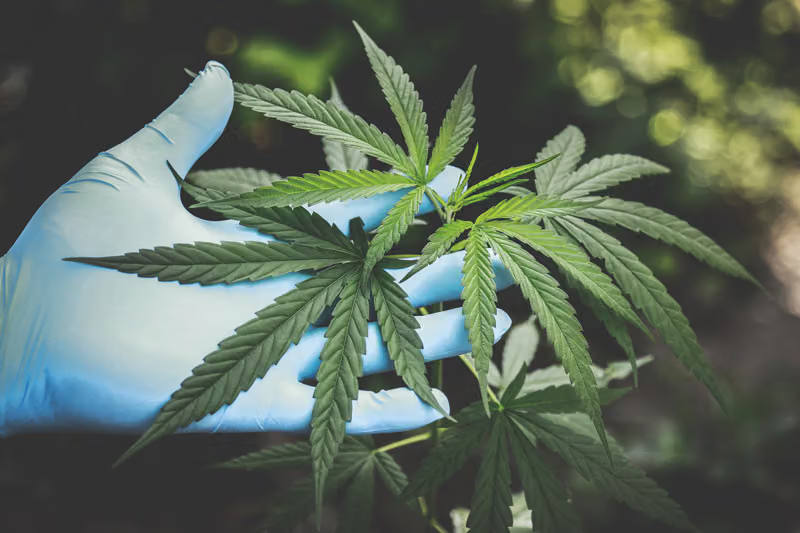
CBD, also known as Cannabidiol, is a naturally-occurring chemical compound found in marijuana, hemp, and other cannabis plants.
Along with tetrahydrocannabinol, commonly known as THC, it’s the second primary active ingredient of cannabis. But you’re probably wondering whether it will make you feel high?
The truth is that only THC found in cannabis is a psychoactive ingredient. Pure CBD is a non-psychoactive cannabinoid, and it won’t make you high.
In addition to that, CBD is similar to our own natural endocannabinoids. Believe it or not, the human endocannabinoid system is interconnected with our immune and nervous systems. Therefore it can dull pain signals, relieve anxiety, reduce inflammation, and even alleviate depression. Likewise, Using CBD oil for pain and insomnia has also shown good results.
Perhaps unsurprisingly, CBD oil can also be used for adult acne treatment and other skin conditions.
Why Is CBD Oil Great for Your Skin?
Thanks to its anti-inflammatory and antioxidant benefits, CBD oil has become popular for its healing properties. These CBD oil benefits can effectively treat skin concerns like free radical damage, dryness, and inflammation.
Want to know the best part? CBD actually helps to reduce the production of sebum in the skin. What that means is that CBD oil may help fight acne (but more about that later), and researchers are also looking at it for other serious skin conditions like psoriasis and eczema.
You may wonder what causes inflammatory reactions in cells? It’s simple: substances called Cytokines
CBD oil reduces these substances and prevents them from activating. This will dramatically help to reduce inflammations.
What’s more, CBD oil has antifungal and antibacterial effects helping you reduce infections from pollutants and dirt on the skin.
But what is acne, and why is it so difficult to conquer? Let’s start by taking a closer look at the causes of this long-term skin disease.
What Causes Acne?
Acne can appear for many reasons. While we have not identified the risk factors conclusively, it’s safe to say that there’s more than mere genetics.
Stress, diet, infections, and hormones can all contribute to the increased activity of oil glands in areas like the back, the upper part of the chest, and the face. The glands normally help to keep the skin supple and moisturized, but once they become overactive, the oil from the skin with dead skin cells start to clog hair follicles.
And get this: although acne mainly affects people going through puberty, it can develop later in life as well. It happens because of hormonal imbalances that develop with chronic stress, unhealthy eating habits, and little exercise. Let’s not forget makeup products and lotions. These clog the pores and can trigger acne breakouts.
But once you’ve developed acne, you should stay clear from anything that can exasperate it. So what are we talking about?
Keep reading, and you’ll find out.
The Things That Make Acne Worse
Your menu is the first thing that can make your acne worse or better. Let’s find out how.
Touching Your Face
First and foremost, you should never touch your face with dirty hands. It’s a no-brainer. The dirt and bacteria transfer from your hands into pores. Needless to say, this can lead to severe breakouts of your forehead acne.
Poor Diet
The second thing to be aware of is your diet. Once you have acne, you should cut all the greasy foods from your menu. Eat plenty of nutritious vegetables and fruits to improve the chemistry of your body. These low-glycemic foods will work well to reduce breakouts.
The best vitamins for acne are A, B5, C, and E. These nutrients, along with probiotics and folic acid, are great for the overall health of your skin.
Soy has become a rather controversial food lately because of its high phytoestrogens content. But studies show soy doesn’t throw men’s hormones off balance, so there’s no need to cut it out.
Alcohol and Dairy
Avoid drinking or eating milk products. Milk can cause irritations on the skin more than any other food.
Drink enough water to stay hydrated. Seriously, the plain and simple water can greatly improve your skin and cut the number of breakouts.
Lifestyle Changes to Help With Breakouts
Sometimes all it takes are a few lifestyle changes to help you deal with your acne. Below are some simple adjustments to prevent breakouts.
Avoid Stress
Avoid stress at any cause. It can lead to hormonal fluctuations and cause increased sebum production.
Double Check Your Medications
When it comes to medications, anything containing lithium, testosterone, or corticosteroids can make chemical changes in your body and cause new breakouts. But never, ever stop a prescribed medication on your own: ask your doctor whether yours could be to blame.
Practice Good Hygiene
Hygiene plays a major role in your acne’s development. Avoid washing your face with hard soaps as these might dry your skin and make it more likely to get infected. Try a gentle salicylic acid face wash that treats acne. Also, never scrub your face too much as it only further damages your skin. It’s important to have a consistent skincare routine.
Now that we’ve clarified how to reduce acne and improve health by making simple changes in your eating and lifestyle let’s see how to take the CBD oil.
The Best Ways to Use CBD Oil for Acne
So how do you actually get CBD oil into your body to make it work for you? It’s simple. You can use any of the following methods:
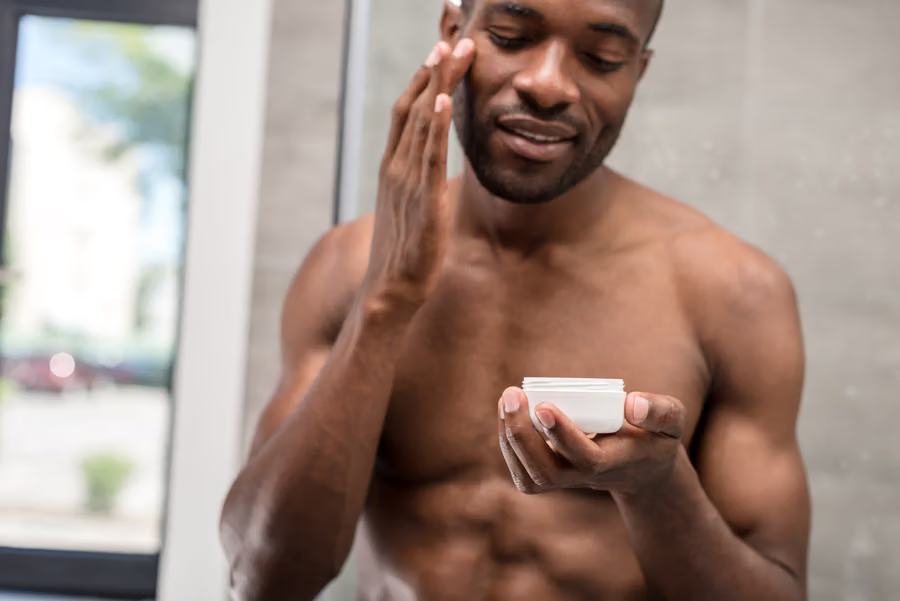
Use CBD oil on your skin. Start by mixing it with a carrier oil that goes well with your skin type. Coconut oil or olive oil works well for most people. There’s also a wide variety of ready-made salves, balms, and creams available. These all contain different amounts of CBD, and it’s the perfect choice for people looking to relieve acne as CBD oil enters the skin easily and accumulates in the glands.
The second best way to use CBD oil for acne is to take it orally in the form of capsules. These allow you to get the precise amount of Cannabidiol that you need. The anti-inflammatory compounds stay active even when going through your digestive system. The effects can last up to 8 hours.
Another great method to take CBD oil is to use tinctures. You can drop the oil under your tongue using a pipette. Similarly to capsules, the tinctures can be dosed very accurately. Naturally, they come in various strengths and flavors.
And last but not least, if you don’t enjoy the texture of the oil, you can get your CBD as foods and snacks. Even better: you can use the oil to make your own delicious refreshments.
Give it a go. Once you’ve chosen your preferred method of digesting the oil, let’s dig a little deeper and answer the most burning question at this point.
Can CBD Oil Really Treat Acne?
Before we answer the question, let’s start by explaining how our organs deal with inflammation.
Every organ in our body, including hair follicles and sebaceous glands, contains CB1 and CB2 receptors. Reduction of inflammation is one of the effects produced when these receptors communicate with your nervous system.
In theory, CBD oil reduces acne because its anti-inflammatory properties give you the extra needed push to reduce inflammation, but the studies in people so far are small and early.
But wait – there’s more! CBD activates your own body’s natural endocannabinoid system, including anandamide. What am I talking about? You see, anandamide regulates cell growth. When off-balanced, it can have a negative impact on your skin.
You might also hear that, unlike prescribed medications, CBD oil targets only problematic cells, so you don’t have to suffer from the usual side-effects of acne medications. Sadly, that’s a myth: CBD can have side effects of its own (more about those below).
If that’s not enough, lab studies show CBD oil can curb one of the main causes of acne: excessive oil production. But when you’re searching how to remove acne scars, CBD won’t help, as there’s no good evidence it fades scars.
But what about acne on your body? How to treat back acne, and can CBD help here as well?
Firstly, let’s find out what causes back acne in the first place. Yes, you guessed it, the same sebaceous glands are again to blame. In fact, acne can break out on shoulders and neck also, because these areas have the highest number of glands in the body. CBD works well on reducing the oil produced by the glands and relieving inflammation on any place of the body. And how to remove acne scars? Making the glands less active can help prevent new breakouts, but it won’t remove the scars you already have.
Now let’s continue with CBD oil facts and look at the possible side-effects next.
What Else Can CBD Oil Treat?
Many people are using CBD oil for pain, as it seems to have a lot of potential for relieving discomfort. In some cases, it has even helped with chronic pain and is becoming more popular because, unlike traditional pain-relief medications, CBD oil lacks intoxicating effects. This is what the health industry doesn’t want you to know.
Good results have also been achieved when using CBD oil for anxiety. Reduced anxiety can lead to better skin, but that doesn’t make CBD a cure for acne.
Are There Any Side-effects for CBD Oil?
It’s clear that CBD oil can be very beneficial in treating various health concerns, including acne, but there are also some risks involved that you should know about. CBD oil can have side effects that include dizziness, nausea, mood changes, and dry mouth. The strength of these side-effects vary from person to person, and not everyone will experience them. To stay safe, start experimenting with smaller doses of CBD oil and see how your body reacts to it.
Is CBD Oil Legal?
There’s nothing to worry about here. If cannabinoids contain less than 0.3% THC, they are legal. Since the 2018 Farm Bill, hemp-derived CBD is no longer in the same class with marijuana under federal law, although the FDA says it can’t be sold as a dietary supplement. You can usually get CBD online without a medical cannabis license, but state rules vary, and a new federal law will tighten the THC limit for hemp products once it takes effect.
Conclusion
CBD oil could be worth a try for your acne if nothing else has worked, and you’re tired of the numerous side effects that come with prescribed medications.
It can help you clear up your skin and reduce any anxiety you might have developed because of irritated skin. So give it a go. Trust us, you’ll be glad you did.
What do you think of CBD oil? Did the article answer your most burning questions or something left uncovered? Leave the comments below, we’d love to know about your experiences. Your opinion is important to us!
Author’s Bio: Rae Hudson is an experienced copywriter and filmmaker with a master’s degree in film directing. She helps her clients find their brand identity and core message and creates an engaging copy in English that attracts customers. Rae works with startups, entrepreneurs, bloggers, and companies from all over the world.
Sources
Checked October 2026.
- Komane and Kaye 2026 systematic review (Molecules): CBD for acne evidence is preliminary
- Oláh et al. 2014 (Journal of Clinical Investigation): CBD's effects on oil-gland cells in the lab
- Reed et al. 2021 meta-analysis (Reproductive Toxicology): Soy doesn't affect men's hormones
- MedlinePlus: Acne
- MedlinePlus: Lithium
- FDA consumer update on CBD
- FDA: Regulation of cannabis and CBD